The Role of Technology-Based Multirepresentations in Enhancing Students' Understanding of Mathematical Concepts: A Systematic Literature Review
DOI:
https://doi.org/10.17509/j-mer.v7i2.1627Keywords:
Learning Technology, Multiple Representations, Systematic Literature Review, Understanding Mathematical ConceptsAbstract
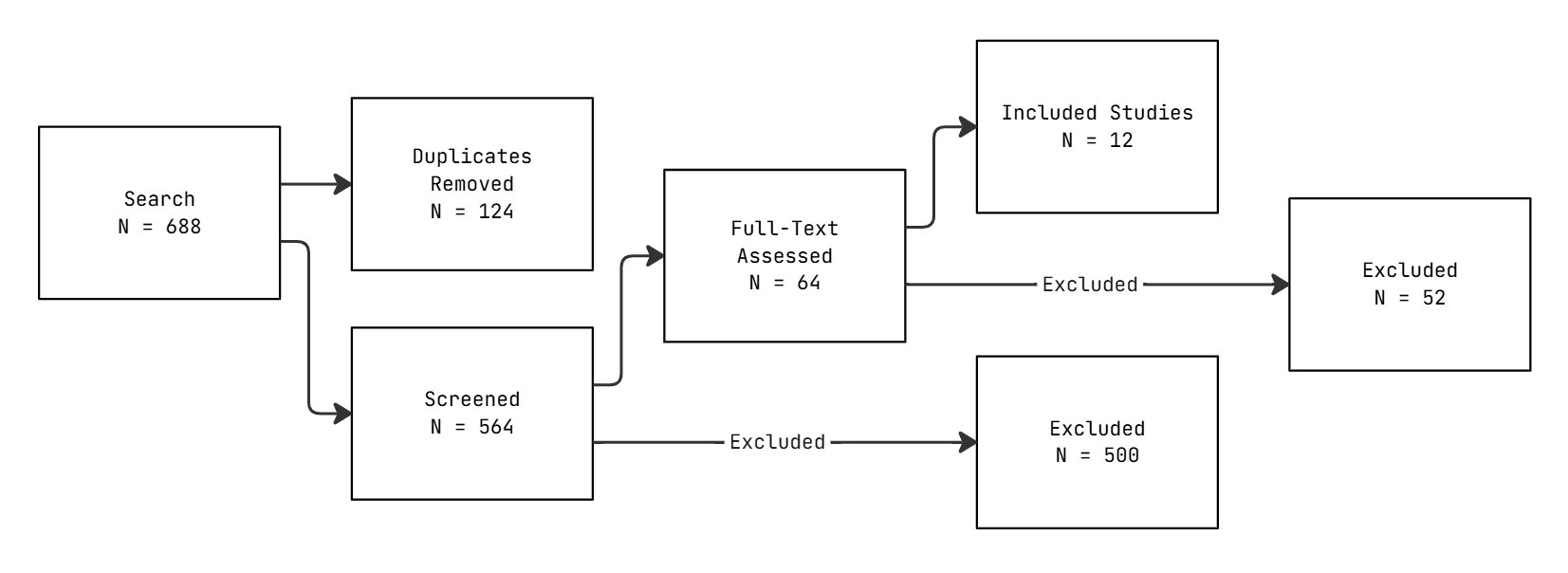
Understanding mathematical concepts is a fundamental ability that enables students to navigate and connect abstract mathematical ideas. However, mathematics' inherently abstract nature often creates challenges in the learning process. One promising approach is using technology-based multiple representations. This study aims to synthesize the pedagogical role of technology-based multiple representations in supporting students’ conceptual understanding of mathematics. Guided by the Preferred Reporting Items for Systematic Reviews and Meta-Analyses (PRISMA 2020) framework, a manual literature search was conducted via Google Scholar in June 2026 using Indonesian keywords without Boolean operators, yielding 688 initial records. After systematic screening and critical quality appraisal against predefined eligibility criteria, 12 primary SINTA-indexed journal articles (2018–2026) were included in the narrative synthesis. The findings show that GeoGebra is the most widely used technology (appearing in 9 of 12 studies), while visual-graphical and symbolic formats are the most frequently integrated representational modes. Grounded in the cognitive functions dimension of the Design, Functions, Tasks (DeFT) framework, technology-based multiple representations primarily facilitate three operational indicators of conceptual understanding: presenting concepts through various representations (I4), selecting and executing procedures with reasoning (I5), and applying concepts to problem-solving tasks (I6). The main conclusion indicates that the educational utility of digital media relies not on the software in isolation, but on its pedagogical capacity to weave diverse representational modes into a cohesive cognitive structure.
Downloads
References
Aien, N., Laswadi, L., & Sari, M. (2025). Penggunaan Aplikasi Geogebra dalam Pembelajaran Matematika terhadap Kemampuan Pemahaman Konsep dan Minat Belajar Siswa. Kognitif: Jurnal Riset HOTS Pendidikan Matematika, 5(1), 71–87. https://doi.org/10.51574/kognitif.v5i1.2755
Ainsworth, S. (2006). DeFT: A conceptual framework for considering learning with multiple representations. Learning and Instruction, 16(3), 183–198. https://doi.org/10.1016/j.learninstruc.2006.03.001
Aminullah, A. (2025). Dinamika Pemahaman Konseptual Siswa dalam Pembelajaran Matematika Berbantuan Photomath. Mandalika Mathematics and Educations Journal, 7(4), 2041–2051. https://doi.org/10.29303/jm.v7i4.10599
Anshari, F., & Siregar, B. H. (2026). Pengembangan media pembelajaran matematika berbasis pendekatan deep learning melalui google sites untuk meningkatkan pemahaman konsep matematis siswa. Pedagogy: Jurnal Pendidikan Matematika, 11(2), 1309–1334. https://doi.org/10.30605/3yn9k144
Aromataris, E., Lockwood, C., Porritt, K., Pilla, B., Jordan, Z., & editors. (2024). JBI Manual for Evidence Synthesis. https://doi.org/https://doi.org/10.46658/JBIMES-24-01
Budarsini, K. P., Suarsana, I. M., & Suparta, I. N. (2018). Model diskursus multi representasi dan kemampuan pemahaman konsep matematika siswa sekolah menegah pertama. PYTHAGORAS Jurnal Matematika Dan Pendidikan Matematika, 13(2), 110–118. https://doi.org/10.21831/pg.v13i2.20047
Cahyani, N. I., Kurniawan, E., Arjudin, & Kurniati, N. (2025). Integrasi GeoGebra Dalam Pembelajaran Matematika Terhadap Pemahaman Konsep Matematis Siswa. Griya Journal of Mathematics Education and Application, 5(2), 579–586. https://doi.org/10.29303/griya.v5i2.709
Cahyanti, A. D., Sutiarso, S., & Rosidin, U. (2023). Efektivitas E-LKPD Berbasis Web-Blogger Berbantuan FLIPHTML5 dan Quizizz untuk Meningkatkan Pemahaman Konsep Matematis. EMTEKA: Jurnal Pendidikan Matematika, 4(2), 410–418. https://doi.org/10.24127/emteka.v4i2.3993
Fadilah, A. N., Sutirna, S., & Haerudin, H. (2023). The effect of problem-based learning model assisted by Google Site on the students’ mathematical concept understanding ability. Union: Jurnal Ilmiah Pendidikan Matematika, 11(2), 184–190. https://doi.org/10.30738/union.v11i2.13273
Fauzi, A., Hardyanti, H., & Suryaningsih, S. (2026). Bridging the gap: How technology facilitates conceptual understanding in mathematics. Indonesian Journal of Science and Mathematics Education, 9(1), 74–89. https://doi.org/10.24042/ijsme.v9i1.28655
Fitria, R., Imswatama, A., & Balkist, P. S. (2022). Analisis Kemampuan Pemahaman Konsep Matematis Siswa MTs Plus As-Sa’idah pada Materi Aljabar. PRISMA, 11(2), 457–466. https://doi.org/10.35194/jp.v11i2.2451
Hutajulu, K. C., & Soesanto, R. H. (2023). Model discovery learning berbantuan geogebra sebagai upaya peningkatan pemahaman konsep matematika siswa. Delta: Jurnal Ilmiah Dan Pendidikan Matematika, 11(1), 29–44. https://doi.org/http://dx.doi.org/10.31941/delta.v11i1.2475
Khotimah, K., Murtianto, Y. H., & Purwati, H. (2022). Profil Multipel Representasi Matematis Siswa SMP Ditinjau dari Multiple Intelligence dalam Memahami Konsep Bangun Ruang Sisi Datar dengan Teknologi Wolfram Alpha. Imajiner: Jurnal Matematika dan Pendidikan Matematika, 4(4), 315–320. https://doi.org/10.26877/imajiner.v4i4.10185
Margareta, D., & Karimah, S. (2025). Developing Interactive Learning Media through Canva Website and Quizizz Mastery Peak Integration to Enhance Problem-Solving Skills. Kognitif: Jurnal Riset HOTS Pendidikan Matematika, 5(3), 1358–1372. https://doi.org/10.51574/kognitif.v5i3.3655
Nay, F. A., & Maure, O. P. (2020). Kemampuan pemahaman konsep aljabar pada pembelajaran berbasis virtual manipulative. Asimtot : Jurnal Kependidikan Matematika, 2(2), 177–192. https://doi.org/10.30822/asimtot.v2i2.775
Nurdin, E., Ma’aruf, A., Amir, Z., Risnawati, R., Noviarni, N., & Azmi, M. P. (2019). Pemanfaatan video pembelajaran berbasis Geogebra untuk meningkatkan kemampuan pemahaman konsep matematis siswa SMK. Jurnal Riset Pendidikan Matematika, 6(1), 87–98. https://doi.org/10.21831/jrpm.v6i1.18421
Nurhairunnisah, N., & Sujarwo, S. (2018). Bahan ajar interaktif untuk meningkatkan pemahaman konsep Matematika pada siswa SMA kelas X. Jurnal Inovasi Teknologi Pendidikan, 5(2), 192–203. https://doi.org/10.21831/jitp.v5i2.15320
Page, M. J., McKenzie, J. E., Bossuyt, P. M., Boutron, I., Hoffmann, T. C., Mulrow, C. D., Shamseer, L., Tetzlaff, J. M., Akl, E. A., Brennan, S. E., Chou, R., Glanville, J., Grimshaw, J. M., Hróbjartsson, A., Lalu, M. M., Li, T., Loder, E. W., Mayo-Wilson, E., McDonald, S., … Moher, D. (2021). The PRISMA 2020 statement: An updated guideline for reporting systematic reviews. PLOS Medicine, 18(3), e1003583. https://doi.org/10.1371/journal.pmed.1003583
Putri, A., & Pasandaran, R. F. (2024). Efektivitas penggunaan geogebra dalam meningkatkan pemahaman konsep siswa kelas xi sma negeri 10 luwu utara. Pedagogy: Jurnal Pendidikan Matematika, 9(2), 494–507.
Ramadhani, W. P., & Mulbar, U. (2026). Analisis Representasi Visual Matematis Berbasis Etnomatematika Maluku Berbantuan Augmented Reality pada Materi Bangun Ruang Sisi Datar. Jurnal Pendidikan Matematika Unpatti, 7(1), 30–40. https://doi.org/10.30598/jpmunpatti.v7.i1.p30-40
Romadhani, D., & Harahap, N. A. (2022). Pengaruh Penggunaan Bahan Ajar Berbasis Website Terhadap Peningkatan Kemampuan Pemahaman Konsep Matematis Siswa. Jurnal Cendekia : Jurnal Pendidikan Matematika, 6(2), 1222–1239. https://doi.org/10.31004/cendekia.v6i2.1340
Santosa, Y. T., Maulida, D. W., & Murtiyasa, B. (2025). Implementation of GeoGebra-based LMS canvas on conceptual understanding of geometry transformation of grade XI students. AKSIOMA : Jurnal Matematika Dan Pendidikan Matematika, 16(1), 15–32. https://doi.org/10.26877/aks.v16i1.21713
Setiani, I., & Hendikawati, P. (2024). Kemampuan representasi matematis peserta didik pada pembelajaran Think Pair Share berbantuan media Canva. Primatika : Jurnal Pendidikan Matematika, 13(2), 115–124. https://doi.org/10.30872/primatika.v13i2.4118
Silvina, N., Tumanggor, A. P., Tarigan, A. B., Lubis, D. M., Sibarani, M. A. T., & Siregar, B. H. (2025). Effect of Deep Learning Approach With GeoGebra-Based Interactive PowerPoint and Animated Videos on Concept Understanding. Jurnal Pendidikan Matematika Universitas Lampung, 13(3), 157–171. https://doi.org/10.23960/mtk/v13i3.pp157-171
Siregar, N. F. (2021). Pemahaman Konsep Matematika Siswa SMP Melalui Pendekatan Realistic Mathematics Education. Jurnal Cendekia : Jurnal Pendidikan Matematika, 5(2), 1919–1927. https://doi.org/10.31004/cendekia.v5i2.635
Suryawan, I. P. P., & Permana, D. (2020). Media Pembelajaran Online Berbasis Geogebra sebagai Upaya Meningkatkan Pemahaman Konsep Matematika. PRISMA, 9(1), 108–117. https://doi.org/10.35194/jp.v9i1.929
Widiyanti, W., Sugiatno, S., & Mirza, A. (2021). Peningkatan pemahaman konseptual matematis dan respons siswa melalui pembelajaran berbasis multi representasi di sekolah menengah atas. AL KHAWARIZMI: Jurnal Pendidikan Matematika, 1(2), 69–77. https://doi.org/10.46368/kjpm.v1i2.408
Yanti, R., Laswadi, L., Ningsih, F., Putra, A., & Ulandari, N. (2019). Penerapan pendekatan saintifik berbantuan geogebra dalam upaya meningkatkan pemahaman konsep matematis siswa. AKSIOMA : Jurnal Matematika Dan Pendidikan Matematika, 10(2), 180–194. https://doi.org/10.26877/aks.v10i2.4399